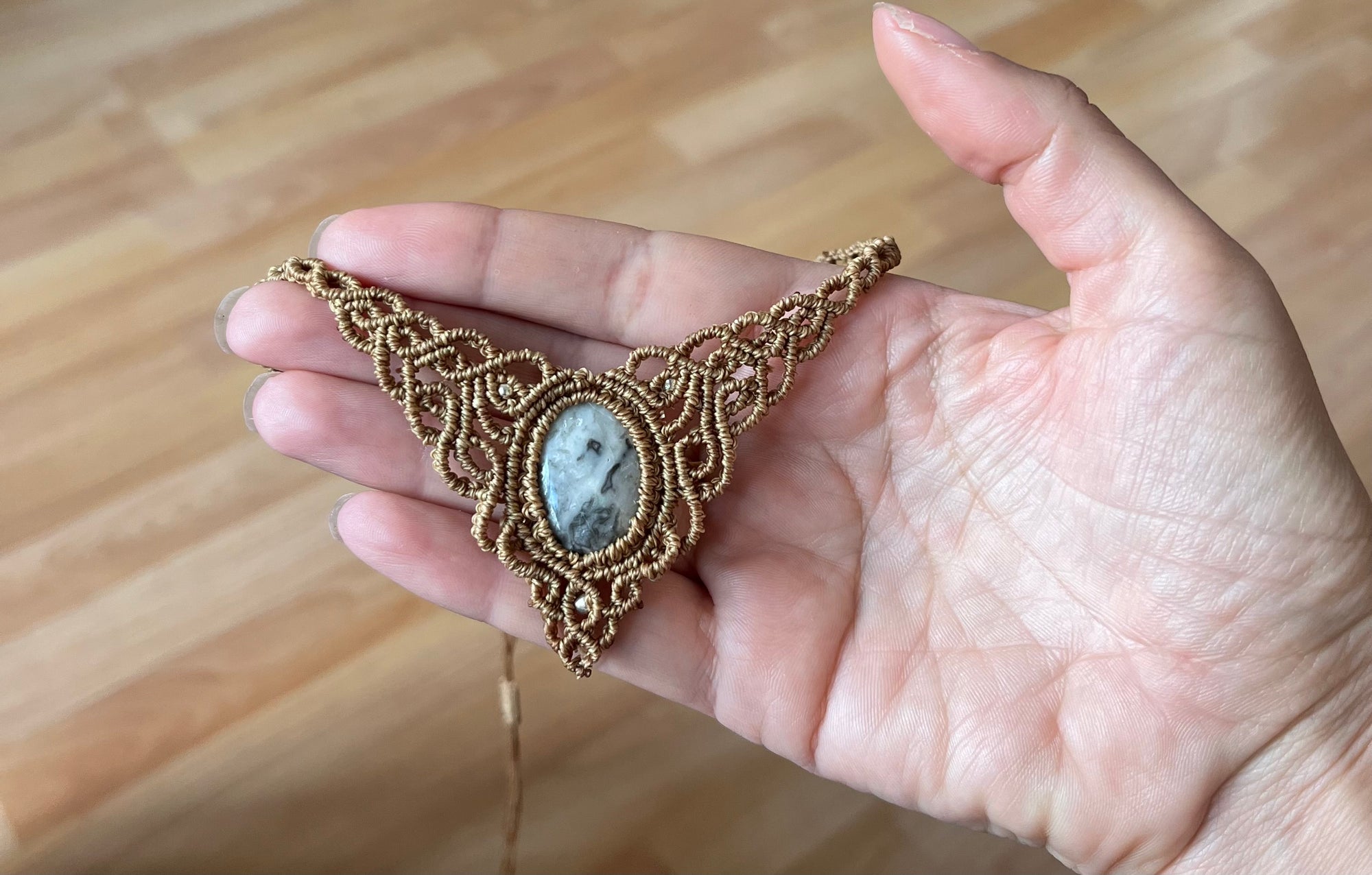
Celtic knots are among the most famous symbols of Celtic art and continue to fascinate with their endless lines, intricate design, and spiritual symbolism. Their history dates back deep into the past, intertwining influences from ancient Europe, early Christianity, and medieval manuscript art.
Origin of Celtic Knots
Although they are today referred to as "Celtic," motifs of intertwined lines existed long before the Celts. Similar ornaments appeared in ancient Rome, Byzantium, Egypt, as well as in Germanic and Nordic art. However, the Celts adopted, developed, and transformed this style into a characteristic artistic element of their culture.
The historical roots of Celtic knots date back to approximately the 3rd–4th centuries AD, when more complex ornamental motifs composed of unbroken lines began to appear in Europe. However, their greatest flourishing occurred in the early Middle Ages, particularly between the 7th and 9th centuries in what is now Ireland, Scotland, and parts of Britain.
Celtic Art and Symbolism
The Celts were known for their rich symbolism and close connection to nature, spirituality, and the cycles of life. A typical feature of Celtic knots is the endless line without a beginning or end, which symbolizes:
- eternity,
- the connection of life and death,
- the endless cycle of nature,
- spiritual growth,
- the connection of humanity with the universe.
Many knots likely had a protective or spiritual meaning. Some motifs were associated with family, love, faith, or unity.
Influence of Christianity
The spread of Christianity in the British Isles played a crucial role in the development of Celtic knots. Irish and Scottish monks began to use intertwined ornaments in decorating manuscripts, stone crosses, jewelry, and church artifacts.
The most famous example is the celebrated Book of Kells, a beautifully illuminated Gospel manuscript created around 800 AD. This manuscript contains extraordinarily detailed Celtic ornaments, spirals, and knot motifs that became an iconic symbol of Celtic artistic style.
During this period, the famous tall Celtic crosses adorned with intricate ornaments were also created, combining pagan symbols with the new Christian faith.

Typical Motifs of Celtic Knots
Over time, many variations and patterns emerged. Among the most famous are:
Triquetra
A symbol formed by three interconnected arches. It often represents a trinity – for example, life, death, and rebirth, or spirit, mind, and body.
Dara knot
Inspired by the roots of an oak tree. A symbol of strength, stability, and inner wisdom.
Spiral motifs
Very old Celtic symbols representing growth, movement, and the energy of nature.
Endless knots
Unified intertwined lines without end, symbolizing eternity and the continuity of life.
Celtic Knots in the Middle Ages
During the Middle Ages, Celtic ornaments spread into many forms of art:
- illuminated books,
- metalwork,
- jewelry,
- stone reliefs,
- textiles,
- weapons and shields.
Each region had its specific style. Irish knots were very detailed and delicate, while Viking influences brought more robust and dynamic motifs.
Decline and Rediscovery
After the Norman invasion and the gradual suppression of Celtic culture, the importance of traditional ornamental art waned. Many original techniques and symbols were lost or transformed.
A great resurgence of Celtic motifs occurred in the 19th century during the period of the Celtic Revival. Artists, historians, and nationalist movements in Ireland and Scotland began to rediscover old manuscripts, ornaments, and symbols as part of their cultural identity.
Since then, Celtic knots have become popular worldwide.
Celtic Knots Today
Today, Celtic knots are popular not only as a historical symbol but also as a decorative motif in:
- jewelry,
- tattoos,
- home decor,
- textiles,
- wedding symbols,
- logos and graphic design.
Many people still see a deeper meaning in them – a symbol of connection, harmony, and endlessness.
Celtic knots thus represent a unique combination of history, spirituality, and artistic mastery that has endured for more than a thousand years.
Celtic knots and macramé are often confused because both styles involve intertwining lines and knots. In reality, however, these are two distinct traditions that differ in their history, meaning, and method of creation.